Friday, April 11, 2014
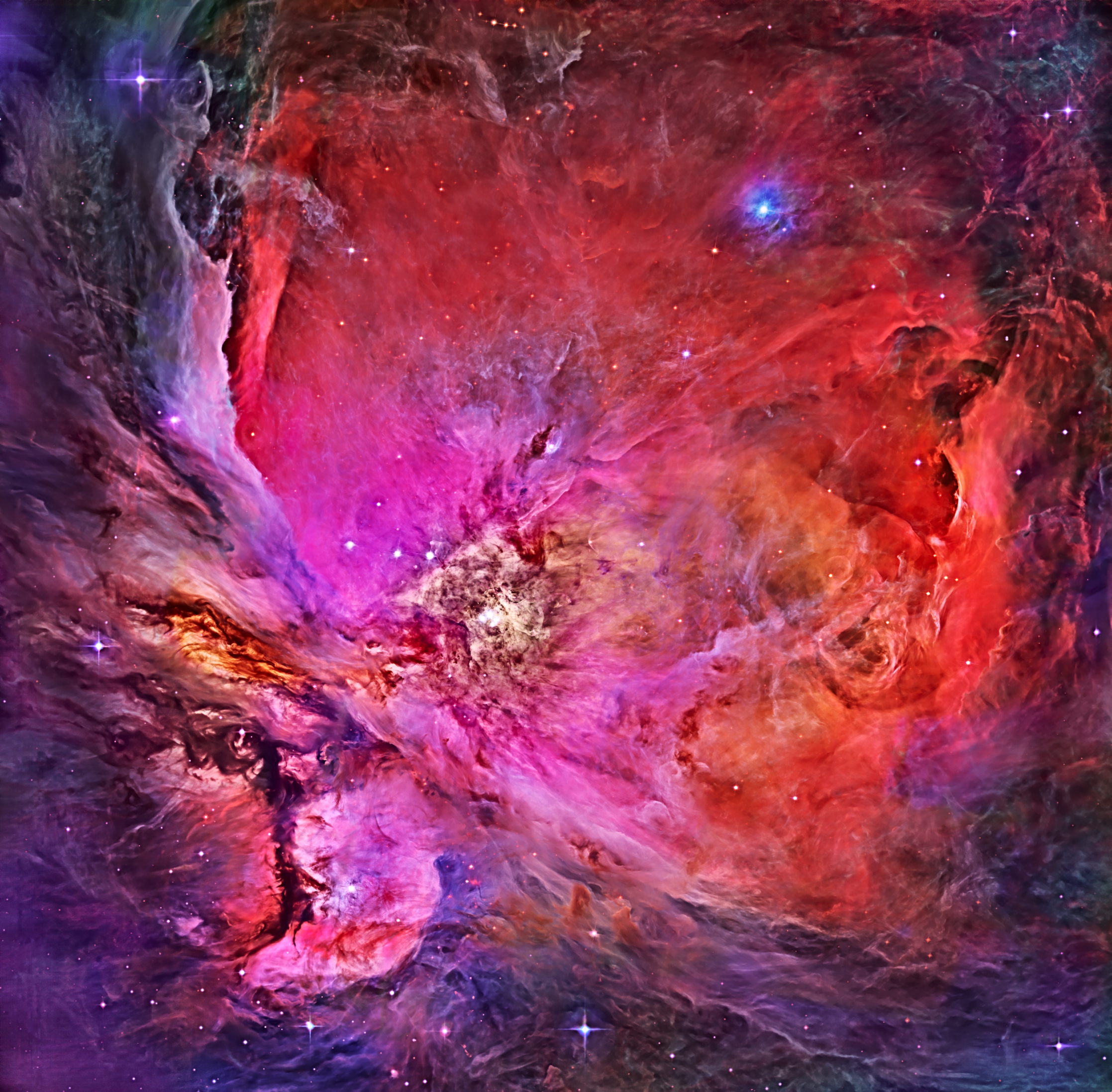
APOD 4.3

Friday, April 4, 2014
APOD 4.2
Friday, March 28, 2014
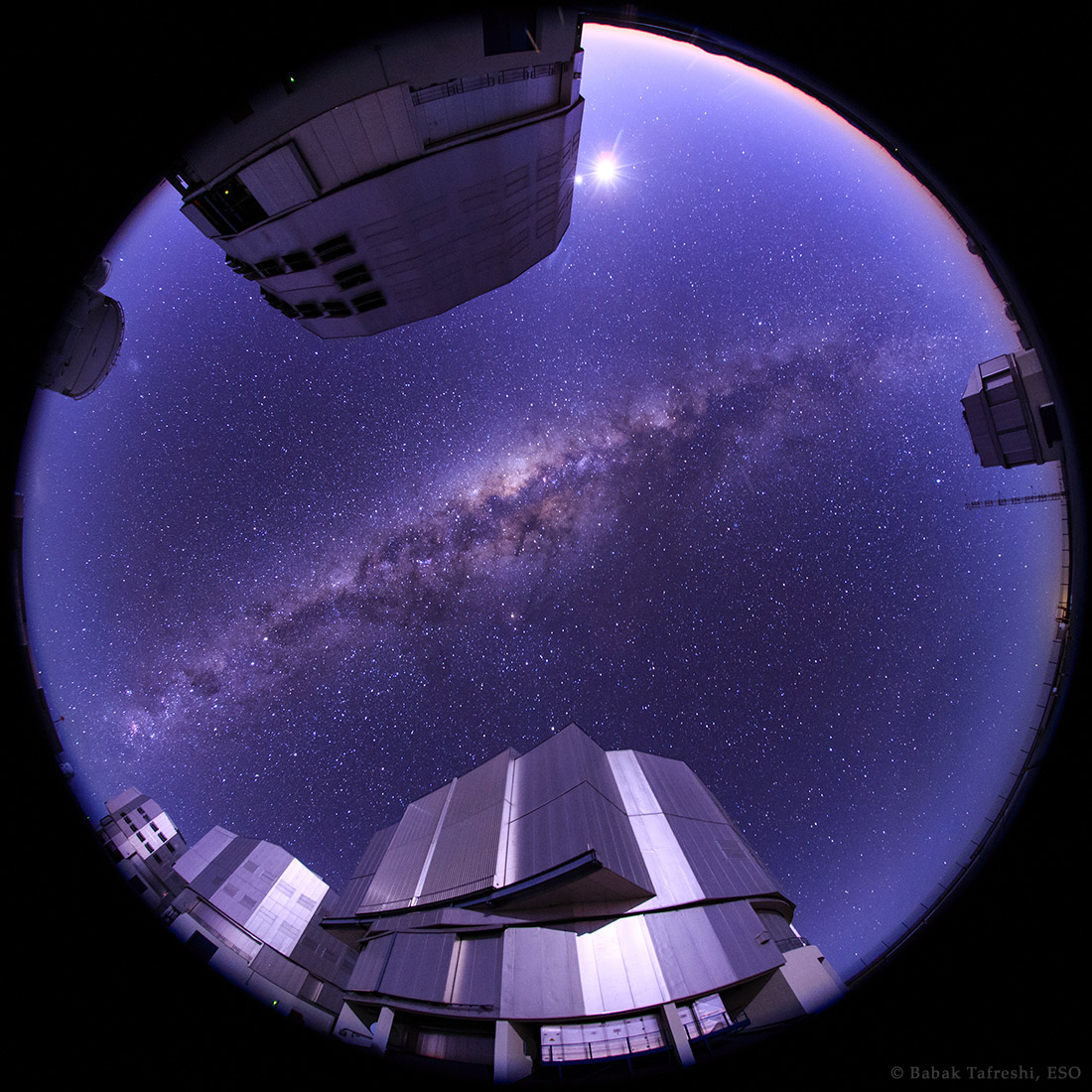
APOD 4.1
Thursday, March 6, 2014
George Willis Ritchey Bio
George Willis Ritchey was born in December 31, 1864 in
Tupper’s Plains, Ohio. He was the son of an amateur astronomer and instrument
maker. George’s father fled Ireland during the potato famine of the 19th
century. The family then settled in Cincinnati where George had continued his
studies by attending the Cincinnati University. After completing his formal
education in 1887, he became an instructor at the Chicago Manual Training
School until 1896. The work he was doing reflected skills that a man by the
name of George Ellery Hale found very impressive. If fact he was so impressed
that he had asked Ritchey to take the role of chief optician at the Yerkes
Observatory where he was able to utilize a 40-inch refractor telescope for
photography of the heavens. Hale later offered him to work at another
observatory, Mt. Wilson (over 5700 feet above sea level), but between his works
at these two locations, in 1904, he had been elected an associated of the Royal
Astronomical Society. His work at Mt. Wilson consisted of acting as head of
instrument construction. Here he had begun construction of a 60-inch mirror
telescope – the biggest mirror telescope at the time. After the construction of
the 60-inch mirror, he had begun constructing yet an even bigger mirror,
measuring 100-inches across, for the Hooper telescope. He also began work on
his invention of cellular mirrors, which is widely known for. In 1910, Ritchey
collaborated with a French optician by the name of Henry Chretien to construct
the now widely used Ritchey-Chretien optic system, often abbreviated RC. This
design however put Mr. Ritchey and Mr. Hale into conflict at the observatory on
Mt. Wilson. Ritchey believed that a prototype of the system should be built but
Hale argued that it was too tedious of a task and that there was no time to do
that. This conflict led Hale into firing Ritchey just after he had completed
the construction of the 100-inch reflector telescope. Filling Ritchey with
sadness and depression, he settled in a private laboratory in the state of
California continuing his work on cellular mirrors. Ritchey was later invited
to discuss his recent innovations at the national Observatory in Paris, made a
knight of the Legion of Honor, and became director of photo-telescopic research
at the U.S. Naval Observatory. At the observatory he had designed and
constructed a 40-inch RC reflector telescope. After this he retired to Azusa,
California where he passed on the 4th of November, in 1945. Before
his death however, an event occurred on April 24th, 1990 – the
launch of the Hubble Space telescope which had contained the RC optic system.
Although, it did carry some mirror measurement errors, the RC system made the
operation possible. The two men who designed the system are remembered for
their introduction of a new telescope which has altered our understanding of
the heavens.
Sources
"Ritchey, George
Willis." Complete Dictionary of Scientific Biography. Vol. 11. Detroit:
Charles Scribner's Sons, 2008. 470. Gale Virtual Reference Library. Web. 6 Mar. 2014.
Hughes, Stefan.
"The Visionary." Astrophotography and Its Historyy Website, an EBook or
Printed
Book for Those Interested in Astrophotography, Astronomy, Photography
and Science.
'CATCHER' The
History of Astrophotography Blog, 23 July 2012. Web. 06 Mar. 2014.
"George
Willis Ritchey." Infoplease.
Pearson Education, n.d. Web. 06 Mar. 2014.
<http://www.infoplease.com/encyclopedia/people/ritchey-george-willis.html>.
Friday, February 14, 2014
APOD 3.1
Friday, January 17, 2014
Observation post 2.2
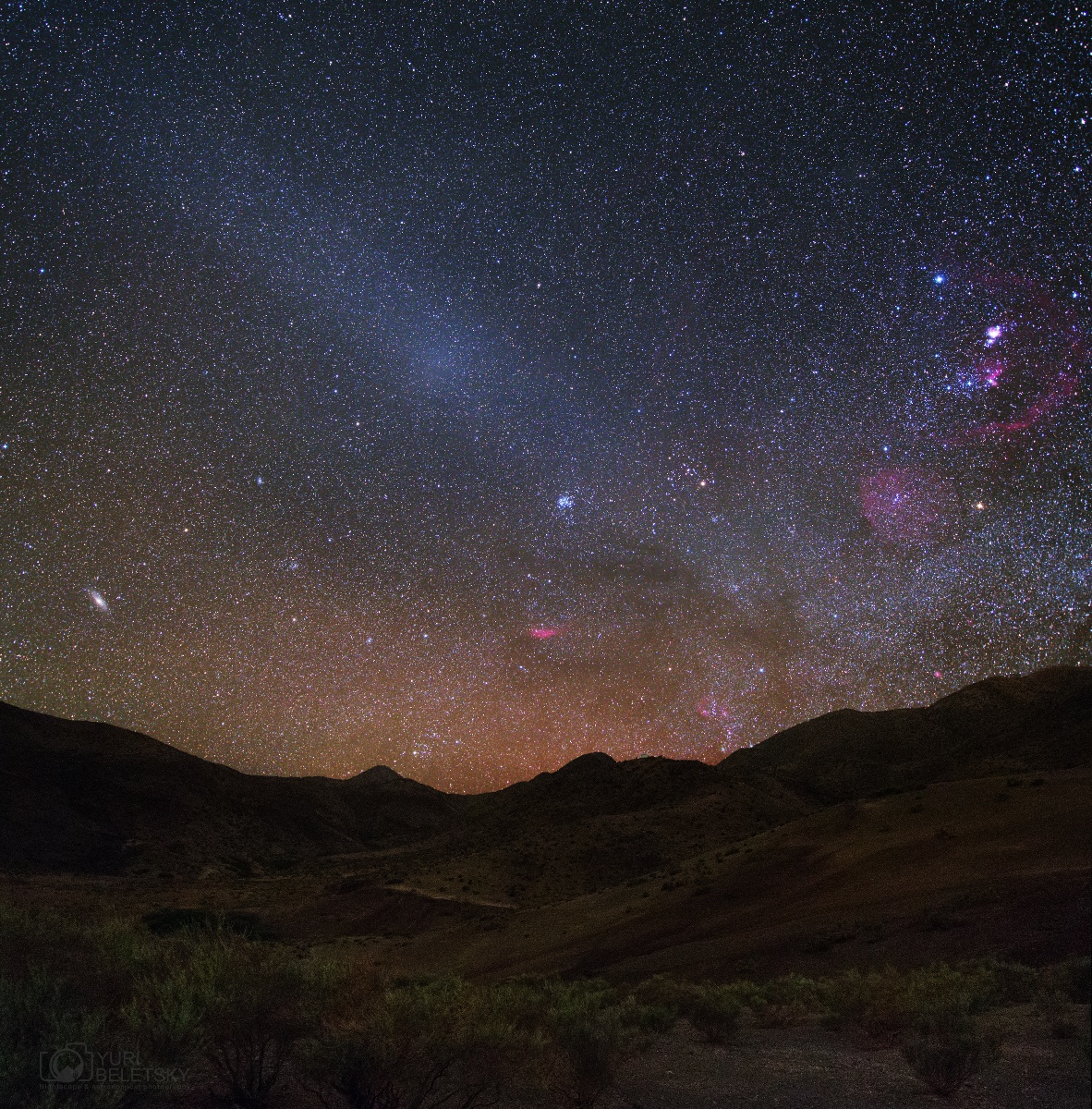
For the past few nights the sky has been very clear and the moon has been so big and visible. In the mornings before school around 6:50 and at night time from around 6-10 ive been looking at the sky viewing the moon. It's very bright for now, even though the sky has often been foggy. Jupiter right now is also the biggest and brightest object in the sky. It was very easy to identify. Venus was visible at times in early January, but not anymore
Observation post 2.1
On New Years day, around 6-8 pm i watched the sky waiting for the comet ISON. this was a huge event for stargazers everywhere and it was really cool. it looked almost as if the comet passed and then was dragged along across the sky. it passed through the constellation of Hercules. the sky was also really clear that night and the moon was visible.
Subscribe to:
Comments (Atom)